Marriage Counseling in Hawaii: A Pathway to Relationship Renewal
- Home
- Marriage Counseling in Hawaii: A Pathway to Relationship Renewal
Marriage Counseling in Hawaii: A Pathway to Relationship Renewal
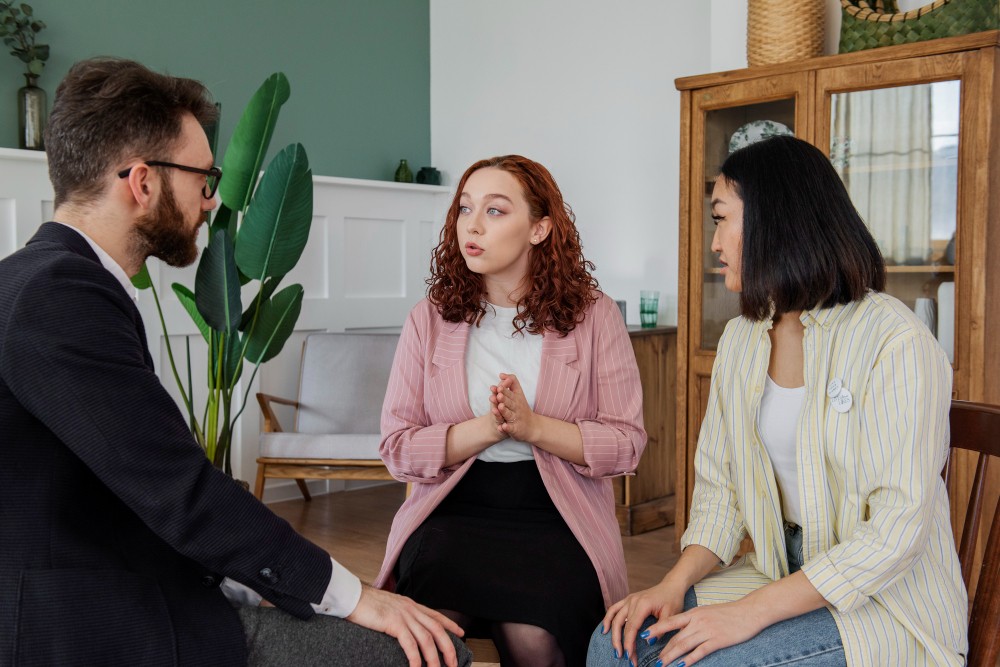
Relationships rarely break overnight. They erode little by little—through misunderstandings, unspoken frustrations, and life pressures that chip away at emotional connection. You may notice that arguments feel more frequent, intimacy feels distant, or conversations feel more like negotiations than heartfelt exchanges.
This is not unusual, and it doesn’t mean a marriage is beyond repair. It means something vital needs attention. Recognizing the need for help is not a sign of weakness; it’s an act of courage. In many cases, structured support such as marriage counseling in Hawaii can guide couples toward rebuilding trust, deepening connection, and learning new ways to communicate that work.
Why Relationships Drift Over Time?
Most couples don’t start out imagining they’ll ever need guidance to make their relationship work. Yet even the strongest bonds can drift over time due to external stressors, emotional baggage, or changes in individual needs. Parenthood can add sleepless nights and financial strain. Career ambitions may lead to long hours apart.
Health challenges can shift priorities. Even differences in how each person handles conflict can widen the gap. Without active effort, couples can slip into patterns of defensiveness, avoidance, or resentment. This drift isn’t inevitable, though—it can be addressed when both partners commit to learning and applying skills that reinforce emotional safety and mutual understanding through couples therapy in Hawaii.
The Science Behind a Stronger Connection
Love may feel like an art, but relationship repair often involves science. The psychobiological approach to couples work draws from neuroscience to understand how your brain and body react during emotional stress. Attachment theory reveals how early life experiences shape your patterns in intimacy and conflict.
Developmental neuroscience helps explain why certain triggers provoke strong reactions. This isn’t just theory—it’s practical knowledge. By understanding what’s happening inside your nervous system, you can learn to slow down heated exchanges, recognize your partner’s emotional cues, and respond in ways that build trust rather than break it. This science-driven perspective offers hope for even the most strained relationships, showing that patterns can be changed, and connection can be restored.
Tools That Turn Communication Around
When couples argue, it’s easy to believe the issue is about money, chores, or parenting styles. Often, it’s actually about feeling unheard or unvalued. Effective relationship counseling introduces tools that shift conversations from blame to curiosity. For example, learning to “mirror” your partner’s words before responding ensures they feel understood.
Practicing “time-outs” during conflict can prevent emotional flooding. Setting aside regular “check-in” times can help you reconnect before small problems escalate. These tools are not gimmicks—they’re grounded in research on how couples maintain closeness over decades. With guided practice, these strategies can become second nature, turning tense interactions into opportunities for understanding.
The Role of Professional Guidance
Self-help books and relationship podcasts can be useful, but they often can’t address the specific dynamics of your relationship. This is where professional guidance makes a difference. Dr. Annie Vance, MFT at Aloha Concept Counseling, blends psychobiological, attachment, and developmental neuroscience perspectives to offer tailored support.
The sessions with Annie create a safe space for each partner to express themselves without fear of judgment. By combining structured exercises with real-time feedback, she helps couples recognize destructive patterns and replace them with healthier interactions. In her work, it’s not about assigning blame—it’s about understanding the emotional “why” behind reactions and equipping both partners with tools to meet each other’s needs more effectively.
Navigating Cultural and Environmental Influences
Couples in Hawaii experience unique cultural and environmental influences that shape their relationships. The blend of traditions, languages, and values found across the islands can enrich a marriage but may also introduce differences in communication styles or expectations.
Geographic distance from extended family may impact support networks, while the slower island pace can clash with modern work demands. Marriage counseling in Hawaii often considers these elements, integrating local cultural understanding into the therapeutic process. This attention to context ensures that the solutions offered resonate with the couple’s lived reality, rather than imposing one-size-fits-all advice that doesn’t account for life in the islands.
Rediscovering Connection in Daily Life
One of the misconceptions about relationship repair is that it happens solely during counseling sessions. In reality, the most important changes occur in everyday interactions—those small moments of connection that build emotional intimacy. Sharing morning coffee without screens, expressing appreciation for daily efforts, or even scheduling a midweek walk together can create ripple effects in how partners relate.
Couples therapy in Hawaii often includes “between-session” activities designed to reinforce what’s learned during appointments. These aren’t chores; they’re opportunities to actively invest in the relationship and to replace old habits with more nurturing ones. Over time, these practices strengthen the bond and make love feel less like work and more like a natural rhythm.
Signs It’s Time to Seek Support
Every couple hits rough patches, but certain signs indicate that professional help might be necessary. Constant arguments about the same issues without resolution, emotional withdrawal, lack of physical affection, or a persistent sense of loneliness in the relationship are common red flags.
Some couples seek counseling after a crisis, such as infidelity or a major life change, while others do so when they simply notice they’re not as close as they once were. Acting early can prevent deeper rifts. The goal isn’t to “fix” one person—it’s to realign the relationship so both partners feel valued, understood, and connected.
Conclusion: Choosing Renewal Over Resentment
Relationships thrive when both partners feel emotionally safe, respected, and connected. That level of connection rarely happens by accident—it requires intentional effort and, often, the guidance of someone trained to navigate the complexities of human connection.
Working with Dr. Annie Vance, MFT at Aloha Concept Counseling offers couples a pathway toward renewal that is rooted in science, compassion, and practical tools. Whether you feel your marriage is hanging by a thread or you simply want to deepen an already strong bond, seeking support is a choice to invest in a future built on trust and understanding. Marriage counseling in Hawaii is not just about solving problems—it’s about creating a relationship where love can grow, even after life’s storms.
Frequently Asked Questions
What issues can be addressed through marriage counseling in Hawaii?
How does couples therapy in Hawaii differ from general counseling?
When should a couple consider marriage counseling in Hawaii?
What approaches are commonly used in couples therapy in Hawaii?
Can marriage counseling in Hawaii help with rebuilding trust after infidelity?
How long does couples therapy in Hawaii usually take?
Is marriage counseling in Hawaii only for couples in crisis?
Recent Posts
-

-

How Nutritional & Integrative Medicine Helps with Therapy
19 September, 2025 -

Aloha Art Therapy
19 September, 2025