
Common Relationship Challenges Addressed by Couples Therapy in Hawaii
- Home
- Common Relationship Challenges Addressed by Couples Therapy in Hawaii
Common Relationship Challenges Addressed by Couples Therapy in Hawaii
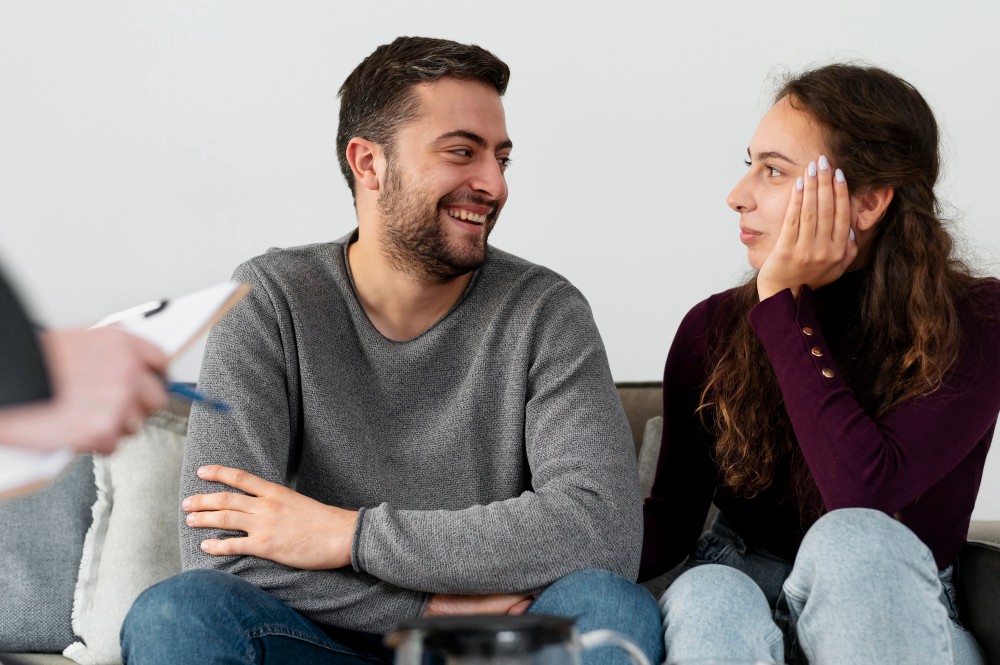
How Relationship Challenges Develop Over Time
The relationships can hardly fail due to one dramatic moment. They change slowly with shifting of the routines, augmented stress, and emotional needs. Couples tend to believe that love is sufficient to get them through each stage, but bonding needs consciousness and adaptation. The pressure at work, monetary burdens, parenting issues, and personal development affect the relations between partners.
Irritability or emotional withdrawal is observed by many couples, and the reasons are realized later. Couples therapy in Hawaii focuses on identifying these subtle shifts early. Therapy helps you to explore emotional reactions, communication patterns, and expectations in an inquisitive instead of a condemnatory way. Such a process aids the partners in knowing what their relationship requires at every stage.
Communication Patterns That Create Friction
Silence is not the only problem of communication. There are times when couples do not know how to shut up. The manner of delivery, time, and emotional conditioning determine the manner in which messages are received. Partner of one side might want reassurance and solutions from the other partner, and both of them may end up frustrated. Therapy examines the impact of stress on listening and expression.
Couples therapy in Hawaiian Islands helps you recognize patterns such as interrupting, withdrawing, or escalating during difficult conversations. Sessions are aimed at stretching out communication, manifesting understanding, and communicating needs. Most couples breathe a sigh of relief when they learn that arguing is oftentimes a result of incompatibility of the styles and not neglect.
Emotional Distance and Feeling Disconnected
Emotional distance occurs unobtrusively. You may share daily routines yet feel unseen or alone. Minor disconnections add up until being close to each other becomes alienating to one another. Therapy is concerned with emotional availability and responsiveness, and not superficial behavior.
Couples therapy in Hawaii supports you in exploring vulnerability and emotional safety. Spouses learn how to stay connected throughout tough discussions rather than closing down. Therapy promotes emotional inquiry by posing the question of what is behind frustration or withdrawal. With time, couples end up reestablishing affection and intimacy that had been missing.
Trust Struggles and the Path to Repair
Even an established relationship is burdened by trust issues. Uncertainty and fear may be caused by broken promises, secrecy, emotional withdrawal or infidelity. Mend might need truth and compassion.
Couples therapy in Hawaiian Islands provides structure for difficult conversations that might otherwise feel overwhelming. The therapy makes the partners comprehend how trust has been destroyed and what responsibility would be in the future. It is a slow process of rebuilding trust. Guidings are aimed at emotional openness and trustworthiness instead of punishment and evasion.
Conflict Styles and Emotional Reactivity
There are disagreements in any relationship. The impact is dependent on the way conflict is realized. Other couples never disagree, and others have a heated quarrel all the time. These patterns are usually fueled by emotional reactivity.
Couples therapy in Hawaii helps you understand how the nervous system responds under stress. Therapy brings about pausing, emotional regulation, and post-conflict repairing tools. Partners learn how to make arguments without attacking as well as how to remain connected despite the differences in opinion. Most of the couples find that conflict is less threatening when approached with purpose.
Attachment Patterns and Relationship Cycles
Attachment styles determine how partners actively pursue closeness, stress reaction, and manage emotional needs. These tendencies are usually developed at an early age and have an unconscious effect on adult relations. One of the couples wants to connect, and the other prefers to have space, which is annoying in a vicious cycle.
Couples therapy in Hawaiian Islands explores these dynamics with compassion. The knowledge of attachment enables partners to view behavior as a process of protection, and not personal. With the help of therapy, a safe bond is created in which both partners value each other and are understood. This awareness often brings relief and clarity.
Intimacy, Affection, and Emotional Safety
Intimacy is the emotional proximity, passion, and physical connection. Overtime intimacy is likely to be affected by stress, resentment, and unresolved conflicting situations. Therapy establishes a vacuum of free communication on the needs, boundaries, and expectations. A bit of light humor can also be used to de-stress a sensitive conversation. Once emotional security is achieved, new intimacy is built. Spouses get to know the importance of emotional presence that reinforces bodily connection naturally.
Cultural Influences and Island Life Pressures
Living in Hawaii has good communal connections and cultural practices, but comes with some practical issues. Relationships are affected by the cost of living, work requirements, and long-term family expectations.
Couples therapy in Hawaii considers how cultural values shape communication and emotional expression. Therapy helps couples to explore such influences without presumptions. Contextual awareness assists the partners in maneuvering expectations but also respecting individual needs. Such understanding facilitates making better health choices and respect.
Building Healthier Relationships with Professional Guidance
Relationships benefit from guidance grounded in emotional science and human development. Couples therapy in Hawaiian Islands offers structured support for couples facing a crisis or seeking a deeper connection. Dr. Annie Vance, MFT, approaches the work with a psychobiological, attachment-based, and developmental neuroscience approach.
Aloha Concepts Counseling practice is based on emotional attachment and nervous system dynamics in relationships. Therapy provides couples with communication, emotional control, and conflict resolution tools. The assistance of the company helps various couples to find hope, strength, and purposeful connection again by working with Dr. Annie Vance, MFT, and Aloha Concepts Counseling.
Frequently Asked Questions
What issues do couples typically address during therapy?
How does couples therapy help improve communication?
Can therapy help couples who feel emotionally disconnected?
Is couple therapy only for relationships in crisis?
How does attachment style affect relationships?
What role does trust rebuilding play in couples therapy?
How does cultural context influence couples therapy?
Recent Posts
-

-

How Nutritional & Integrative Medicine Helps with Therapy
19 September, 2025 -

Aloha Art Therapy
19 September, 2025